
 By IndiaHub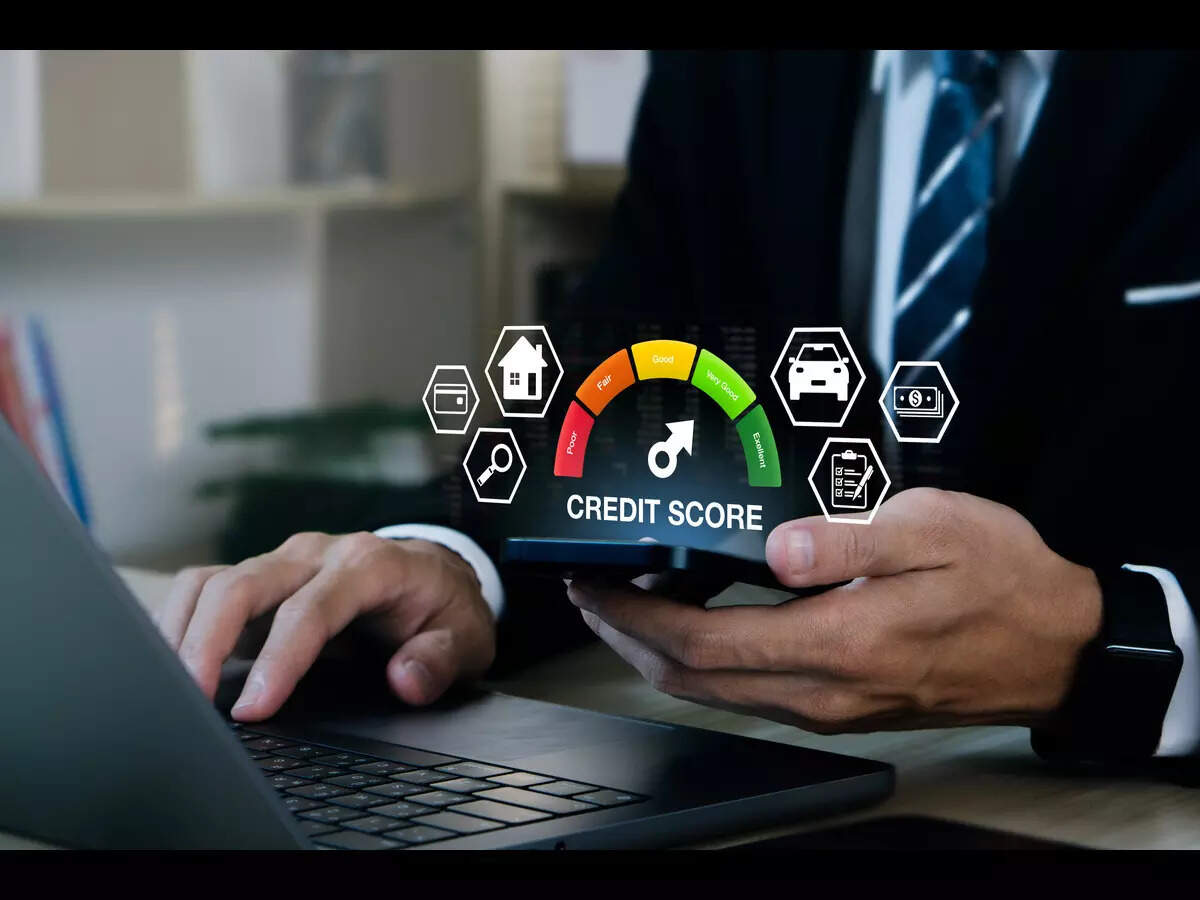
Credit score is a three-digit number between 300 and 900 that is assigned to you on the basis of your credit repayment history. It determines your ability to repay loans and credit card debt, and is used by lending institutions to assess the risk associated with offering you a loan. A higher score translates to lower risk for the institution, which means there is a higher probability of you repaying the loan. Conversely, a lower score means higher risk for the financial institution offering the loan.
Why is it important?
Lending institutions, including banks and non-banking financial companies (NBFCs), use credit scores to decide whether your loan application should be approved and the rates to be offered. A higher score will fetch lower rates and better terms, while a lower score will result in higher rates.
Credit information companies
Also known as credit bureaus, these companies compile and analyse the credit data of individuals and businesses as provided to them by financial institutions. The data includes credit usage, repayment history, outstanding debt, etc. This is then used to create reports on the usage pattern, default history, debt to income ratio, among others, for borrowers. They also generate a credit score, which is a simple way to assess an individual’s credit history.
The companies are regulated by the Reserve Bank of India (RBI) and are authorised by it to collect this information. Currently, there are four credit information companies in India—TransUnion CIBIL, Experian, Equifax, and CRIF High Mark. TransUnion CIBIL is the leading and oldest credit information company, which was established in 2000, and has the most comprehensive database.
Factors affecting your credit score
Repayment history: Your credit score will improve if you consistently repay the debt in full and on time, be it for a credit card or secured loans with EMIs. Any defaults will cut into the score. Credit usage or utilisation ratio: This is the amount of debt you avail of compared to the total limit that is available to you. A lower ratio, preferably less than 30%, improves the score.
Types of credit or credit mix: Credit scoring systems prefer a mix of different types of debt, both secured and unsecured. Secured loans includes home, car, business loans, etc., while the unsecured ones are personal and credit card loans.
Length of credit history: This is the age of your old and new loan accounts. A longer credit history will improve your score compared to a shorter one.
New credit: When you apply for a loan or credit card, the lending institution pulls out your credit score, which is known as ‘hard inquiry’. If you have too many new loan or credit card applications and hard inquiries linked to them, it will negatively impact your score.